A Bikepacking + Splitboard Mission with Henna & Karen
There’s something powerful about linking movement across disciplines. When riding a bike becomes the approach to snowboarding, the journey stretches, time expands, and the experience deepens.
For Henna and Karen, Ride to Ride wasn’t just about efficiency or novelty. It was about reframing what’s possible close to home; stitching together familiar fjords, valleys, and bowls into something immersive and raw.
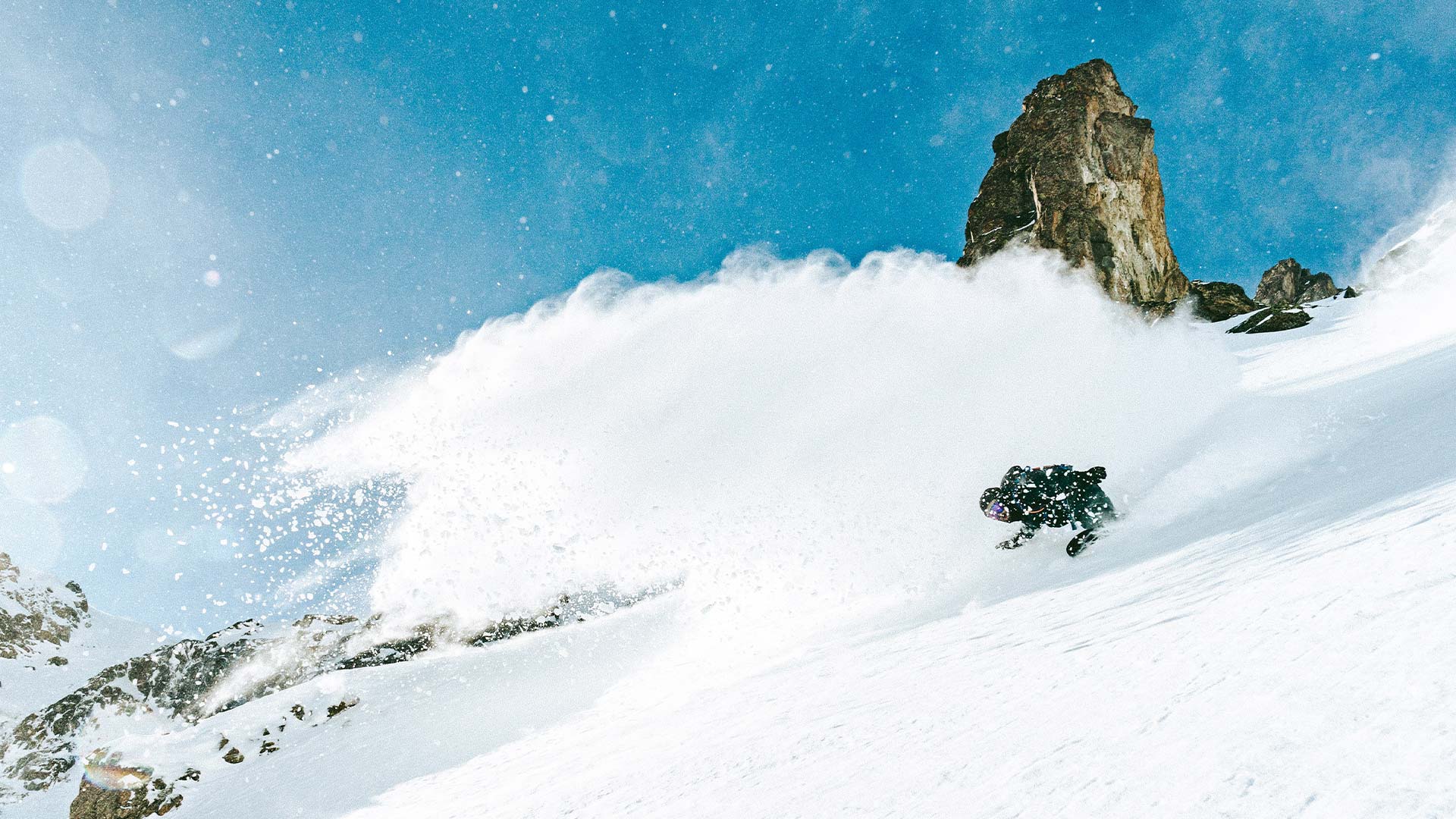
Over ten days, they pedaled from valley to valley, camped in the mountains, and climbed into lines that demanded early starts and tired legs. What unfolded was more than a route. It was rhythm, fatigue, creativity, and friendship tested in real time.
Below is our conversation with Henna and Karen about what it means to combine bikes and boards, and what they discovered along the way.
What inspired you to combine biking and snowboarding into one project?
Henna:
For the last few years, I’ve been really intrigued by the idea of combining different sports with biking. My first bike-and-splitboard trip was in 2023, and it was more about testing whether it was even possible. Realising that it actually was possible felt kind of life-changing and completely shifted my perspective on what a bike can enable. I’ve always enjoyed doing different sports across seasons, and being able to combine them into one bigger adventure is something I find incredibly rewarding. It’s a bit like getting two pieces of cake instead of one.
Karen:
To get the most out of the time out there. One of my favourite things with bikepacking is that from the second you start rolling, you’re “doing the thing”, it maximizes the time you’re active outside, exploring, which makes time feel longer. And the snowboarding part, we had incredibly little snow that season and both of us were already really unmotivated to get out to look for the last bits and pieces of it. However, having this project made us go out there anyway which reminded us that fun, and good lines, also exist in mediocre conditions. And that you can score conditions much better than expected if you only track the weather forecasts rather than going out to see what the reality is like.

How did the route come together?
Henna:
When it came to the route, we got some input from a local guiding company, especially for the northern part where we hadn’t been before. We’d snowboarded in the southern part of the route previously, so we were familiar with many of the valleys and had a good sense of which lines could be fun to ride and which valleys were accessible by bike. From there, it was about stitching all those pieces together into a route that worked within a ten-day timeframe, maximised riding, and still allowed us to move efficiently between valleys. We really wanted to avoid long transfers that would require spending multiple days just biking between locations.
Karen:
We’ve Splitboarded tons in the area before, so knew how easy it is to access bowls and lines from the edge of the fjord. There are an endless amount of things to ride in there, within short distances from each other, so combining bikes and boards here was really perfect. We did however aim to go places where we’d have a few faces and directions to choose from, to be able to find something that trickled our interest as we got there.

How did your mindset evolve over the course of the trip?
Henna:
I was quite sceptical on the first day. It was hard to know for sure how high the rain reached — whether it had rained all the way to the summits or if some of it had fallen as snow. On top of that, the weather forecast for the entire trip looked terrible when we started. But on the second day, when we realised the snow was dry and ended up riding some of the best powder of the entire season, I started to feel genuinely excited about what was ahead.
Around the third day, though, the fatigue really kicks in — you feel pretty beaten up, both physically and mentally — and it can be a bit intimidating to think about doing it for another seven days. What’s amazing is how the body adapts. Halfway through the trip, you’re still tired, but you settle into a slower rhythm where everything feels simpler. Starting each day can be hard, but once you get moving, you can just keep going all day. It’s like the rhythm changes into something sustainable.
Karen:
The first day definitely came with a kind of excited uncertainty about how this mission would unfold, and some familiar faff with where gear lives in the bike set-up and so on. But both the world of bikes and boards feel so familiar though, so transitioning between them became surprisingly seamless as soon as one had gotten a bit of a hang and routine of the unpacking - repacking to change gears between activities.
Luckily, we share motivations for being out there - so eventually we did end up in a rhythm both of us never questioned as we didn’t need to second guess if doing things were going to be worth it or not.

What does it take to bike for hours and then wake up early to climb for lines?
Henna:
It definitely does take a toll, but what really helps on these trips is knowing there’s a reward waiting for you. You might be biking all day, but you’re riding into an incredible valley with a cool line waiting to be snowboarded. But it does also require enjoying a bit of type-two fun and finding joy in both physical and mental exhaustion. Personally, I find it really grounding. Being physically tired gives such a refreshing break from everyday life, where you’re often tired from work or staring at screens.
Karen:
I’m not gonna lie I woke up a few mornings in a sort of panic realizing what I had signed up to. But the routine of both getting up early for an alpine start to splitboard, and to pack the bike to continue cycling, are already very familiar. So I leaned into the routine, let the tasks dictate the doing, and then soon realized the body does follow and is able to tap into energy reserves from deep within to keep going. Having plans and goals that aligned with our motivations to be out there helped, as in a new area to tour and potential cool lines to ride, without motivating and inspiring lines to ride things would have been much harder.

What are your thoughts on local adventure?
Henna:
Adding a bike to different adventures has completely changed how I look at local trips and made them much more exciting. It adds a new layer of challenge to familiar places — suddenly you’re thinking, “What if we did this by bike?” It helps you appreciate what’s around you and see familiar landscapes with new eyes. I also love how it allows you to turn something close to home into a real adventure, without needing to travel far.
Karen:
Absolutely, and this is where combining passions into new experiences can give completely new perspectives of familiar areas. Using bikes to transition from place to place one notices much more of one's surroundings, perceiving new smells, sounds and sights, as well as bumping into people. And snowboarding familiar areas at different times and in different snow conditions allows for new line choices and ways of expressing ones riding.

What draws you to biking and snowboarding?
Henna:
I’d say flow, excitement, and exploration. Both biking and snowboarding allow you to immerse yourself in nature, move with its rhythm, explore, and experience speed in a really visceral way. If I’m smiling afterwards — both internally and externally — then it’s been time well spent. Another important thing for me is that neither activity has strict rules about how it needs to be done. You get to create your own way of enjoying it.
Karen:
Both of them are means for me to stubbornly hold onto a sense of fun, joy, play and exploration throughout life. No human can resist smiling after having been out on a board or a bike - they’re vehicles for transporting oneself straight out of any noise from everyday life, and into an immersed experience with yourself, the activity, your surroundings and crew. A successful time for me with these activities leaves me smiling, present, and at ease, feeling a little less serious about things.
What role does creativity play in a project like this?
Henna:
I draw a lot of inspiration from the outdoors and from movement across different activities. Projects like this feel like a natural way to bring those inspirations to life and share them with others.
Karen:
It gives and takes. Sometimes it’s hard for me to justify changing or compromising my experience with what it takes to create a project around it. But being able to allow other people to tap into the meaning and joy those experiences bring to me, gives the same meaning back. The hope is then that what’s created can inspire the viewer to go after it themselves, in whatever shape that means for them.

How structured was the plan?
Henna:
This trip required fairly detailed planning because we were working with a film crew, which means there’s less room for improvisation compared to a trip with just two people. That said, toward the end of the trip we did adjust our original plan to maximise good riding conditions. In general, though, I’m usually pretty relaxed with planning and like to leave space for things to unfold naturally.
Karen:
As with any bikepacking or splitboarding mission, you can’t really stick to strict plans but are most often forced to flex. We had an idea with several possibilities and improvised along the way. Things have many ways to turn out well - but if one stays present in the situations listening in on what feels like the best solution then one most likely will find one of those.
Did the experience deepen your connection — to the place or to each other?
Henna:
Trips like this are definitely a good test of friendship. There are plenty of challenging moments and things don’t always go as planned, but working through those situations together creates strong memories and builds trust. Over the ten days, it felt like we experienced a month’s worth of moments. Camping in the mountains for that long also creates a deep connection — not just to the environment, but to yourself. With fewer distractions, everything feels more present, and that’s one of the things I love most about trips like this.
Karen:
It’s an immersive experience for sure, to put oneself, the activities and friendship through such an intense and long mission. But the more raw the experience, the stronger somehow. I will never forget the silence on the ridge that last night, looking out over the sun setting in the ocean with the full moon looming behind me. Seeing Henna put down a couple of beautiful turns on the ramp, in perfect pink light, and getting to share the stoke with crossing her tracks on my way out of my line.. The imprint of the experience becomes so honest in your memory somehow, that exact set-up and moment, in that spot, will never be the same again, and I was so lucky to be there to catch it.

Closing Thoughts
This project wasn't about stacking sports for the sake of difficulty, rather immersion, stretching time. About allowing fatigue, uncertainty, and improvisation to shape something honest.
It’s proof that you don’t need to travel far to create depth. Sometimes you just need to roll from your doorstep, follow the fjord, and let the rhythm unfold.
Photography: Henna Palosaari, Karen Ekman, Adam Gairns